Essential Survival Skills for Remote Areas: How to Stay Safe Off the Grid
Exploring the untamed wilderness can be thrilling, but it also requires preparation and knowledge to ensure safety. Whether you’re planning a remote hiking trip or thinking about living off the grid, mastering certain survival skills is crucial. This comprehensive guide will equip you with essential survival tips, practical advice, and the know-how to stay safe in remote areas.
Understanding the Basics of Remote Survival
Surviving in a remote area starts with understanding the basics of what you need to sustain yourself without the usual comforts of civilization. Essential needs include water, food, shelter, and warmth.
Securing Clean Water
Water is your most critical resource. In many remote locations, water may be available but not necessarily safe to drink. Learning how to locate and purify water is vital. Methods like boiling water, using water purification tablets, or a portable water filter should be part of your skill set.
For instance, if you find a stream, you should purify the water either by boiling it for at least one minute or using a reliable filter.
Finding and Preparing Food
While you might pack enough food for a trip, knowing how to source food in the wilderness is a helpful skill. Edible plants, insects, and skills in fishing or trapping small game can be life-saving. Remember, it’s important to understand which plants are safe to eat, as some are poisonous. Always have a guidebook or take a course on local flora and fauna.
Building a Shelter
Adequate shelter is necessary to protect you from the elements and maintain your body heat. Learn how to build different types of shelters like a lean-to or a debris hut. The type of shelter will depend on the materials available in your surroundings and the weather conditions you expect to face.
Keeping Warm
Maintaining body heat can prevent hypothermia. Apart from shelters, creating a fire is a fundamental survival skill. Always carry multiple means to start a fire, such as waterproof matches, lighters, or a fire steel. Familiarize yourself with different methods of fire-starting and practice them regularly.
Navigating the Great Outdoors
Getting lost is a real risk in vast, unfamiliar landscapes. Effective navigation is more than just a map and compass—it’s about understanding the environment.
Using Maps and Compasses
While GPS devices are handy, they can fail. A physical map and a compass are reliable tools that work without batteries. Learn how to read topographical maps and use a compass to orient yourself.
Natural Navigation Techniques
In addition to map and compass skills, you can use the sun, stars, and even certain plants to help find your direction. For example, in the Northern Hemisphere, moss often grows on the northern side of trees.
Handling Medical Emergencies
Medical knowledge is crucial, especially when immediate help isn’t available. Basic first aid can stabilize conditions until you can get to safety or help arrives.
First Aid Essentials
Everyone venturing into remote areas should have basic first aid training. Know how to treat common injuries like cuts, burns, and fractures.
Creating a Survival First Aid Kit
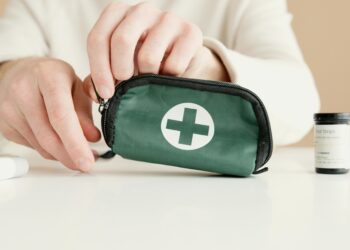
Your first aid kit should include items like bandages, antiseptic, a splint, allergy medication, and tools like tweezers and scissors. Personalize your kit to include any specific medications you or your travel companions might need.
Responsible Interaction With Wildlife
Encounters with wildlife can be dangerous. Understanding animal behavior in your area and taking precautions are essential for your safety.
Preventing Encounters
Store food properly to avoid attracting animals to your campsite. Use bear-proof containers when necessary and hang your food between trees if possible. Be knowledgeable about the wildlife in your area and learn the appropriate safety measures to deter animals.
What To Do If You Encounter Wildlife
Always stay calm and avoid surprising or threatening the animal. Each species may require different strategies. For instance, with bears, you should avoid direct eye contact and back away slowly, whereas with snakes, it’s best to freeze and allow the snake to move away.
Conclusion: Preparing for Your Adventure
Surviving in remote areas requires preparation, respect for nature, and a willingness to learn. By understanding and mastering these essential survival skills, you can enjoy your off-grid adventures with confidence and safety. Remember, the best survival tool is a well-prepared mind.