10 Essential Techniques from the Primitive Survival Skills Guide
In the wilderness, the line between thriving and merely surviving can often be traced back to one’s knowledge and skills in primitive survival techniques. Whether you’re an avid outdoors enthusiast or a casual weekend camper, mastering these basic yet vital skills can make all the difference. In this blog post, we explore 10 essential techniques straight from the Primitive Survival Skills Guide that anyone venturing into the wild should know. Prepare to transform the way you interact with the natural world!
1. Building a Shelter
Why It’s Crucial: A good shelter protects you from harsh weather conditions and can be the key to your survival in challenging environments.
How to Master It: Start by finding a location that is flat and dry. Use available resources such as branches, leaves, and vines. Your shelter should be big enough to lie down in but snug enough to retain body heat. Think about insulation and wind blocking when choosing materials. A simple lean-to, made from branches leaned against a fallen tree or rock and covered with foliage, can significantly improve your thermal control.
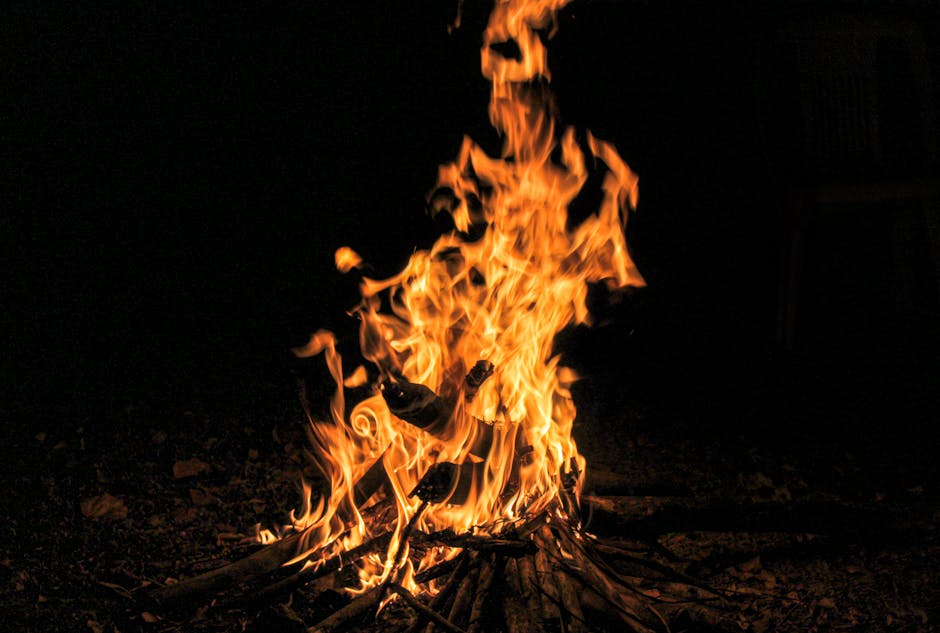
2. Starting a Fire
Why It’s Crucial: Fire is essential for warmth, cooking, and sterilizing water. It can also be a psychological boost in emergency situations.
How to Master It: Learn the art of fire-making without modern conveniences. Gather dry tinder, kindling, and larger wood pieces. Use a friction method, like a bow drill or hand drill, or bring along a reliable flint and steel. Protect your fire area with a circle of stones and constantly monitor wind direction to keep your fire strong and steady.
3. Finding and Purifying Water
Why It’s Crucial: Water is life. Staying hydrated is essential, but in the wild, finding safe water is a prime concern.
How to Master It: Locate water sources such as streams, rivers, or lakes. Always assume the water is not safe for direct consumption. Boil water when possible, or use techniques like solar water disinfection (SODIS). Carry materials like charcoal, sand, and stones to create a makeshift water filter if necessary.
4. Identifying Edible Plants
Why It’s Crucial: Food is not always plentiful in the wilderness. Knowing which plants are safe to eat can be your ticket to sustenance.
How to Master It: Educate yourself about the local flora before your adventure. Learn to identify common edible plants like dandelions, cattails, and wild onions. Avoid any plant that you cannot positively identify, as many are poisonous look-alikes.
5. Navigating Without Compass or GPS
Why It’s Crucial: Getting lost can be dangerous. Navigating by natural landmarks and celestial bodies can guide you back to safety.
How to Master It: Familiarize yourself with basic navigation skills. Use the position of the sun or the movement of stars to find your bearings. Recognize landmarks and make mental maps as you move. Always keep an eye on your environment to avoid getting disoriented.
6. Using Natural Medicine
Why It’s Crucial: Injuries and illnesses need attention, even in the wild. Natural remedies can be life-savers when medical help is not available.
How to Master It: Learn about the medicinal properties of various plants and herbs. For example, willow bark contains salicin, which is similar to aspirin. Understand how to apply these remedies safely to treat minor ailments and injuries.
7. Creating Tools and Weapons
Why It’s Crucial: Tools and weapons are extensions of your hands in the wilderness.
How to Master It: Use stones, bones, or wood to craft tools like spears, axes, or arrowheads. Master basic binding techniques using cordage made from plant fibers or animal sinew. These tools can help in hunting, building, and other critical survival tasks.
8. Signaling for Help
Why It’s Crucial: Sometimes, survival means getting rescued. Effective signaling can make your position known to rescuers.
How to Master It: Learn to make signals using mirrors, smoke, or makeshift flags. Always place signals in open areas where they are visible from the air or from a distance. Understand ground-to-air signal codes if you have a reflective surface.
9. Trapping and Hunting
Why It’s Crucial: In extended survival situations, you may need to source protein-rich foods.
How to Master It: Learn various trapping and hunting techniques suitable for different animals and environments. Understand animal trails and behaviors. Construct simple snares or deadfalls to catch small game.
10. Staying Safe and Healthy
Why It’s Crucial: Your mental and physical health can determine your survival success.
How to Master It: Maintain hygiene to prevent infections, and be cautious about potential hazards like wild animals and poisonous plants. Keep a positive mindset and manage your energy wisely, ensuring you rest when needed.
Conclusion
Surviving in the wild is about adaptation and using your knowledge effectively. These 10 essential techniques from the Primitive Survival Skills Guide provide a foundation for anyone who wishes to embrace nature and ensure they not only survive but also enjoy the natural world safely and responsibly. Whether it’s building a fire or navigating by stars, mastering these skills will prepare you for your next wild adventure with confidence and peace of mind.