Essential Tips on How to Stay Safe While Camping Alone
Camping alone can be a profoundly rewarding experience. It gives you the time to reflect, connect with nature, and challenge your survival skills. However, solo camping also comes with its set of challenges, primarily relating to safety. Whether you’re a seasoned adventurer or a novice planning your first solo trip, understanding how to camp safely is crucial. Read on for some essential tips on staying safe while enjoying the solitude of a solo camping trip.
Pre-Trip Planning
Picking the Right Location
Your safety while camping alone begins with choosing an appropriate camping location. Opt for a campground that is not too remote and is regularly frequented by other campers. Look for locations that are well-marked and known for their safety. National parks or established campgrounds with good reviews and ample cell service are typically safer choices for solo campers.
Telling Someone Your Plans
It’s essential to inform someone you trust about your camping plans. Provide them with details about your destination, the routes you plan to take, and when they should expect your return. This step ensures that someone knows your whereabouts and can alert authorities if you do not return as scheduled.
Check Weather Conditions and Hazards
Before you set out, check the weather conditions expected during your camping trip. Be prepared for rapid weather changes by packing appropriate gear. Also, research any potential hazards like wildlife activity or unstable terrain specific to the area you’re visiting.
Packing the Essentials
Essential Gear
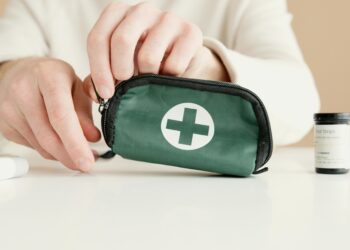
The right gear is your first line of defense against the elements and unexpected situations. Essential gear includes a sturdy tent, a comfortable sleeping bag suitable for the temperatures, a reliable stove, and adequate food and water supplies. Also, pack a first-aid kit, a multi-tool, and a flashlight or headlamp with extra batteries.
Safety Gadgets
Invest in some gadgets that will enhance your safety. A GPS device, a map and compass, and a solar-powered charger can be lifesavers in the wilderness. Additionally, consider carrying a personal locator beacon (PLB) or a satellite messenger, especially if you’re venturing into areas with limited cell service.
Protection Against Wildlife
Depending on your camping location, wildlife encounters can be a concern. Research the types of wildlife in the area and how to handle encounters. Bear-proof containers for your food and trash are advisable in bear country. Moreover, knowledge about how to make a safe campfire will help deter wildlife from visiting your site.
During the Camping Trip
Setting Up Camp
Choose a campsite that is not too isolated but offers you some privacy. Ensure your tent is set up on flat ground and away from natural hazards such as insect nests, dead trees, or unstable banks. Keep your campsite clean and organized to avoid injuries and attract fewer animals.
Staying Oriented
Always carry your map, compass, or GPS device when venturing away from your campsite. Stay on marked trails and be mindful of landmarks. If you feel you have gotten lost, stay calm, stay put, and wait for help. Use your whistle or PLB to signal for help.
Health and Hygiene
Maintaining good hygiene is crucial to avoid illnesses. Always purify natural water sources before drinking to prevent waterborne diseases. Keep yourself clean, and manage food waste properly to maintain a hygienic camp environment.
Emergency Preparedness
Handling Wildlife Encounters
Stay calm and back away slowly if you encounter wildlife. Avoid direct eye contact with large animals, as this can be seen as a threat. Understand and respect the wildlife; never try to feed or approach them.
What to Do If You Get Injured
If you’re injured, assess the severity of the injury. For minor injuries, use your first-aid kit to treat yourself. If the injury is severe, send out a distress signal using your PLB or satellite messenger. While waiting for help, try to keep calm and stay warm.
Preparing for Bad Weather
Always have a backup plan in case of bad weather. Know where the nearest shelter is or learn how to create a makeshift shelter if you cannot make it back to your tent. Keep your emergency kit reachable, with items like thermal blankets, extra food, and water.
Conclusion
Solo camping is an exhilarating experience that can uplift your spirits and bring you closer to nature. By following these essential safety tips and preparing adequately, you’ll be able to enjoy your solo adventure while minimizing the risks. Remember, nature does not compromise; it is our responsibility to respect its rules and prepare ourselves to face its challenges.