Survival Skills: How to Find Food in the Wilderness
In a situation where you find yourself lost or stranded in the wild, knowing how to locate and secure food can be crucial for survival. The wilderness offers a variety of natural resources, and with the right knowledge, you can make the most of these to sustain yourself. This guide will provide you with essential information on how to locate, identify, and safely consume wild food sources.
Understanding Your Environment
First and foremost, understanding the environment you’re in is crucial. Different ecosystems offer different types of food sources. Forests, coastal areas, grasslands, and deserts all have unique flora and fauna to consider.
Common Edible Plants
Many plants are nutritious and safe to eat. Some universally found and easy-to-identify options include dandelions, clovers, and wild onions. Always avoid plants with milky sap, three-leaved growth patterns, or an almond-like scent in the leaves or bark, as these can indicate the presence of toxins.
Edible Insects
Insects might not be the first food choice for many, but they are a high-protein option that’s frequently utilized in survival scenarios. Grasshoppers, crickets, and ants are commonly edible. Remember to cook insects to kill any potential pathogens they might carry.
Foraging for Berries
Berries can be a delicious and nutritious food source, but it’s vital to know which are safe to eat. Blackberries, raspberries, and strawberries are generally safe, but you should steer clear of white berries, as many are poisonous.
Trapping and Fishing
While plants and insects can sustain you, adding meat to your diet can significantly increase your energy levels and overall morale in survival conditions.
Simple Trapping Techniques
Building a simple snare from wire, string, or even shoelaces can help you catch small game like rabbits and squirrels. The figure-eight snare and the basic loop snare are two straightforward traps suitable for beginners.
Fishing with Minimal Equipment
If you’re near a water body, fishing can be an excellent way to secure food. You can fashion a basic fishing rod from a sturdy branch, attaching a makeshift line and hook. Bait your hook with small insects or bits of food.
Safe Consumption Practices
Identifying and collecting food is one part of the challenge; ensuring it’s safe to eat is another. Here’s how to reduce risks:
Proper Identification
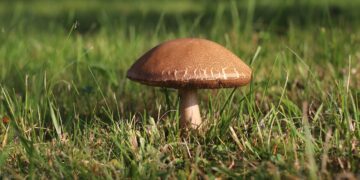
Always take care with the identification of any wild food, especially plants and mushrooms. If in doubt, it’s safer to avoid consumption. Use a field guide or mobile app dedicated to local flora and fauna to help with identification.
Cooking and Preparation
Cooking is not only a way to make food more palatable but also kills bacteria and parasites. Whenever possible, boil, roast, or cook the food you’ve gathered or caught.
Navigating through Challenges
Finding food in the wilderness can be physically and mentally demanding. Here are a few tips to keep you focused and safe:
Maintaining Energy and Hydration
Even while searching for food, remember to keep hydrated and rest when needed. The search for food should not lead to exhaustion or dehydration.
Using All Your Senses
While exploring potential food sources, use all your available senses. Smell, sight, and even hearing can guide you to the right spots. Listen for the sounds of water or bird activities, which can indicate nearby resources.
Conclusion: Practice Makes Perfect
Mastering the skill of finding food in the wilderness takes practice and patience. It’s advisable to learn and practice these skills under guided supervision before needing to use them in a real survival situation. Being prepared is the best way to ensure you can handle whatever comes your way in the wild with confidence.
Remember, survival is as much about wit and willpower as it is about knowledge. Stay calm, think clearly, and use the resources you have to your best advantage. Happy foraging!