Survival Emergency Plan for Beginners: Essential Tips to Stay Safe
Whether you’re a seasoned adventurer or a homebody who seldom ventures far, emergency situations can arise anywhere, at any time. Preparing a survival emergency plan is crucial, not just for those living in areas prone to natural disasters but for everyone. Planning ahead ensures you can respond effectively to an emergency, potentially saving lives and mitigating danger. This comprehensive guide will walk you through essential beginner tips on crafting a practical and effective emergency strategy.
Understanding the Basics of an Emergency Plan
An emergency plan is more than just a set of written instructions on a paper. It’s a proactive approach to anticipate, respond, and recover from unexpected situations. These can range from natural disasters like earthquakes and hurricanes, to man-made events such as power outages or civil unrest.
Key Elements of an Emergency Plan
- Communication Plan: Define how you will communicate with family and friends during an emergency, including meeting points and emergency contacts.
- Supplies Kit: Gather all essential items such as food, water, medications, and first-aid necessities in an accessible emergency kit.
- Evacuation Routes: Know the safest routes out of your home and community. Identify several exit strategies in case the primary route is obstructed.
- Information Sources: Determine where you will obtain crucial real-time information during a disaster situation, such as through a NOAA weather radio or local news channels.
Crafting Your Custom Emergency Response
Every family or individual’s needs differ, so customize your emergency plan to suit your specific circumstances. Including all household members in the planning process is key to ensuring everyone is aware of what to do when a crisis strikes.
Assess Your Specific Risks
Start by assessing the risks most pertinent to your area. If you live in a flood zone, prioritize preparations for flooding. Similarly, those in earthquake-prone regions should focus on earthquake safety measures. Understanding these risks empowers you to develop a more effective and targeted emergency response.
Plan for All Family Members
Consider the unique needs of each family member, including pets. For example, store enough prescription medications for family members who require them and ensure you have suitable supplies for babies or elderly individuals. Don’t forget to make arrangements for your pets as they are an integral part of many families.
Essential Tips for Building Your Emergency Kit
An emergency kit is a fundamental part of your survival plan. This kit should be easily accessible and packed with items necessary to support you for at least 72 hours following an emergency.
What to Include in Your Emergency Kit
- Water and non-perishable food: Store at least one gallon of water per person per day and stock up on long-lasting food items.
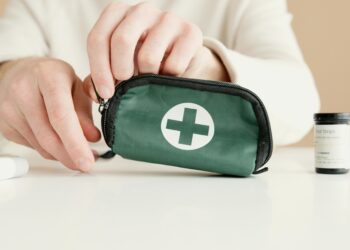
- First-aid supplies: Include a comprehensive first-aid kit that is equipped to handle a variety of medical situations.
- Flashlights and extra batteries: Electricity may be unreliable or out during emergencies, making these tools extremely valuable.
- Personal documents: Keep a copy of important documents such as identification papers, insurance policies, and financial information in a waterproof and fireproof container.
Implementing, Testing, and Updating Your Plan
Simply creating an emergency plan is not enough. It must be implemented, practiced, and maintained to ensure its effectiveness.
Practice Makes Perfect
Conduct regular drills to practice your emergency response. This will help family members remember what to do and clarify any confusion about roles and responsibilities during an actual emergency.
Stay Informed and Updated
Emergency plans should not remain static. As new information and technologies emerge, along with changes in your living situation, update your plans and kits to adapt. Reassess your plan at least annually or whenever significant life changes occur.
Conclusion
Preparing a survival emergency plan might seem daunting, especially for beginners, but it’s an essential step towards ensuring your and your family’s safety in times of crisis. By understanding your specific risks, creating a customized plan, assembling a comprehensive emergency kit, and regularly updating and practicing your response, you can navigate emergencies with confidence. Remember, the best time to prepare for a disaster is when there’s no threat on the horizon. Start today, stay safe, and secure your peace of mind.