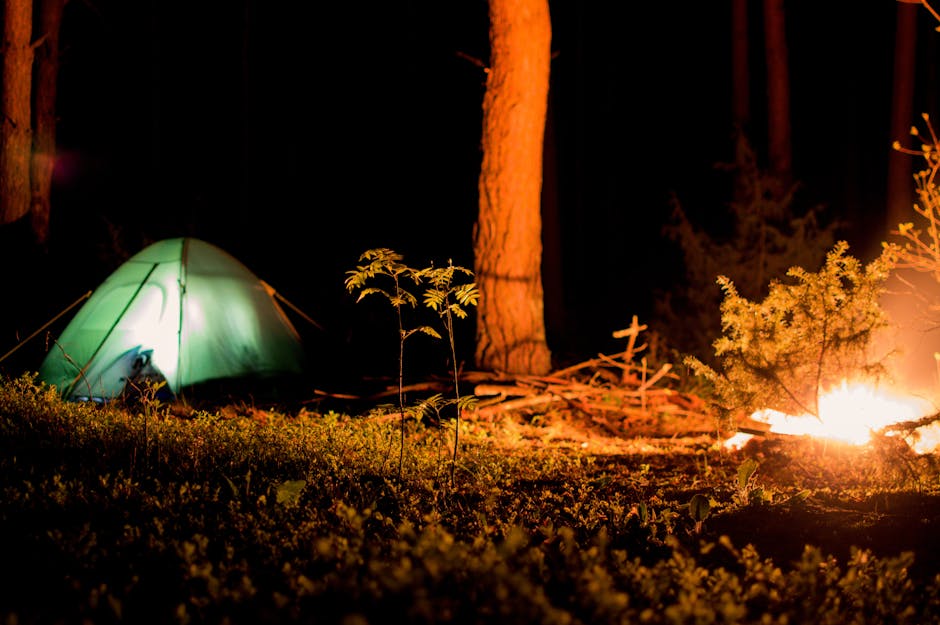
10 Essential Survival Outdoor Shelter Ideas for Every Adventurer
As an adventurer braving the wild, one of the critical skills you need to master is building a survival shelter. Whether you’re hiking in the Rocky Mountains, exploring the dense Amazon rainforest, or even just camping overnight at a nearby park, knowing how to construct a safe, protective shelter can literally be a lifesaver! Today, we’re diving into 10 essential survival outdoor shelter ideas tailored for every adventurer.
1. The Classic Lean-To Shelter
Why It’s Essential:
The lean-to is a simple yet effective shelter ideal for protecting against wind and rain. It’s relatively easy to construct with minimal tools and materials – typically just a long branch or ridge pole supported by two trees, and some additional sticks and foliage.
How to Build It:
- Find two trees about as far apart as the length of your body.
- Place a ridgepole (long branch) horizontally between these two trees at a comfortable height.
- Lean smaller branches against the ridgepole on one side, then cover with leaves, boughs, or other natural materials to shield against elements.
2. The Tarp Tent
Why It’s Essential:
A tarp tent is lightweight, making it perfect for those who need a quick, moveable shelter. Tarps are also waterproof, which is a great advantage in rainy environments.
How to Build It:
- Stretch a tarp over a ridgepole secured between two trees.
- Secure the corners of the tarp to the ground using rocks or stakes.
- Ensure the tarp is slanted to allow rain to run off and prevent water from pooling.
3. The “A” Frame Shelter
Why It’s Essential:
This is a more robust version of the lean-to and offers better insulation and protection from all sides.
How to Build It:
- Construct a ridgepole, then create two identical frames in the shape of an ‘A’ to support it at both ends.
- Cover the frames with branches, leaves, or additional tarps to insulate.
- Ensure the ground inside is covered with something warm and dry, like pine needles or leaves.
4. The Snow Cave
Why It’s Essential:
For winter adventurers, a snow cave can be a warm and surprisingly comfortable option that uses the insulating properties of snow.
How to Build It:
- Find a drift where the snow is at least 4 feet deep.
- Dig into the side of the drift to create a small tunnel and then a dome-like space.
- Smooth the interior walls and ceiling to prevent dripping and ensure the entrance is slightly lower than the sleeping platform to trap heat.
5. The Subterranean Survival Shelter (Dugout)
Why It’s Essential:
Dugouts can maintain a more consistent temperature and stay camouflaged, which can be crucial in some survival situations.
How to Build It:
- Dig a pit in the ground deep enough to sit or lie down in.
- Cover the opening with branches followed by earth to insulate; leave an air hole for ventilation.
6. The Jungle A-Frame
Why It’s Essential:
In tropical environments, staying off the ground is key to avoiding insects, snakes, and damp conditions.
How to Build It:
- Construct an elevated ‘A’ frame using sturdy branches.
- Use a tarp or large leaves as a roof to slide off rain.
- Build a raised platform inside if possible, using more branches and leaves for bedding.
7. The Hammock Shelter
Why It’s Essential:
Using a hammock elevates you off the ground and keeps you out of reach of ground pests and moisture.
How to Build It:
- Secure a hammock between two trees.
- Use a tarp overhead configured in a diagonal shadow to protect against rain.
- Utilize a thermal blanket underneath to preserve body heat.
8. The Basha (Tarp Shelter)
Why It’s Essential:
This is a versatile shelter that can adapt to various environments and setups. It’s fast to pitch and dismantle.
How to Build It:
- Hang a tarp over a ridge line.
- Configure the sides based on current weather conditions – lower against strong winds or elevated for more airflow.
9. The Debris Hut
Why It’s Essential:
A debris hut uses materials found in the forest floor and makes a well-insulated shelter, mimicking a natural animal den.
How to Build It:
- Create a frame with fallen branches forming a long triangle.
- Layer smaller branches and copious amounts of leaves, moss, and debris over the structure for insulation.
10. The Quinzhee
Why It’s Essential:
A quinzhee is a snow shelter that is similar to an igloo but easier to build with powdery snow.
How to Build It:
- Pile up a large amount of snow into a mound.
- Allow it to sinter (settle and harden) a few hours before hollowing out a space inside.
Conclusion
Building an effective outdoor survival shelter is an essential skill for any adventurer. Each of these 10 survival outdoor shelter ideas offers unique advantages depending on the environment and conditions. Practice these techniques on your outings, and you’ll equip yourself with the knowledge to stay safe and protected in the wild. Happy adventuring and stay prepared!