Ultimate Guide to Survival First Aid for Remote Areas: What You Need to Know
Exploring remote areas can be an exhilarating experience, but it also comes with its challenges. One of the most critical skills you can possess is the ability to perform first aid. Understanding survival first aid could make a significant difference in managing emergencies effectively when help is miles away. This comprehensive guide will equip you with essential knowledge and skills that are crucial for handling unexpected medical situations in isolated environments.
Why Is First Aid Crucial in Remote Areas?
In remote areas, immediate medical assistance is often not readily available, making the initial response to any injury or medical condition crucial. Effective first aid can be lifesaving, reducing the severity of the emergency and providing vital support until professional medical help is accessed.
The Basic Survival First Aid Kit
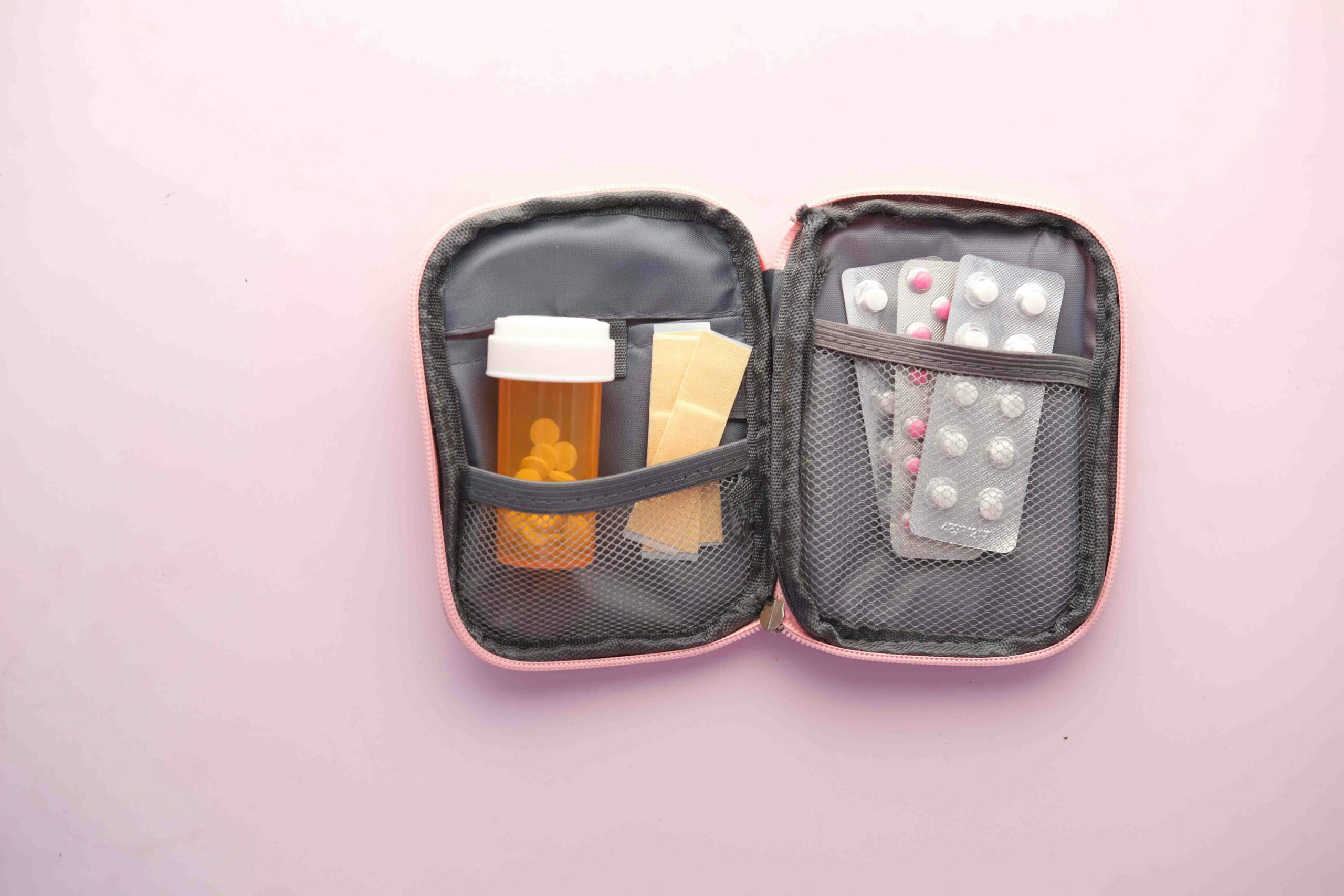
1. Essential Items to Include
- Bandages and Dressings: Various sizes for different wounds.
- Antiseptic Wipes: For cleaning wounds and preventing infection.
- Adhesive Tape: To secure dressings or make splints.
- Scissors and Tweezers: For cutting and removing debris.
- Latex Gloves: To prevent contamination and infection.
- Pain Relief Medications: Such as ibuprofen or acetaminophen.
- Allergy Medication: Including antihistamines and epinephrine auto-injectors (if prescribed).
2. Lightweight and Compact
Ensure that your first aid kit is lightweight and compact to not burden your mobility. Use waterproof pouches to keep the contents protected from moisture and make sure everything is neatly organized for quick access in emergencies.
Understanding Common Medical Emergencies and Their First Response
Treating Cuts and Scratches
Clean the affected area thoroughly with antiseptic wipes before applying an antibiotic ointment and covering it with a sterile bandage. This process prevents infection and aids in quicker healing.
Handling Sprains and Fractures
The key is to immobilize the injured area. Use a splint made from stiff materials and secure it with adhesive tape. Keep the limb elevated and apply a cold compress to reduce swelling.
Dealing with Hypothermia
Keep the person dry and warm. Apply layers of dry blankets and use body heat, if necessary. Do not rub the person’s limbs and avoid direct heat, which can cause burns or cardiac complications.
Skills That Could Save Lives
Performing CPR
- Check responsiveness and pulse.
- Perform chest compressions at a rate of 100 to 120 compressions per minute.
- Provide rescue breaths if you have been trained to do so.
Recognizing and Managing Heat Exhaustion and Heat Stroke
Move the person to a cooler environment immediately and encourage them to drink cool water. Apply cold packs around the armpits, wrists, or neck to reduce body temperature progressively.
Navigating Challenges in Remote First Aid
Limited Resources
Get creative with what you have. For example, bandanas can be used as bandages, and sticks as splints. Always think outside the box when resources are limited.
Need for Self-Sufficiency
Learn and practice these skills beforehand as you might have to rely solely on yourself in a remote setting. Taking a certified first aid course is highly recommended.
Tips for Continuous Learning and Preparation
- Attend workshops and refresher courses regularly.
- Keep up to date with the latest first aid techniques and guidelines.
- Practice scenarios with friends or family on camping trips.
Conclusion
First aid knowledge becomes particularly impactful in remote areas where medical facilities are far removed. Packing a comprehensive first aid kit, understanding the proper responses to various emergencies, and continuous learning could very well be the difference between life and death. Prepare diligently, and arm yourself with the essential survival first aid skills to ensure safety, irrespective of where your adventures lead you.