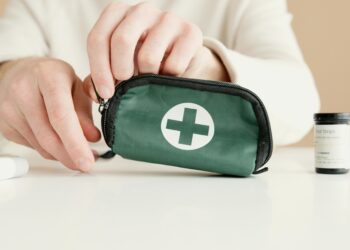
7 Essential Tips for Treating Wounds in the Wild
Venturing into the great outdoors can be a thrilling experience, but it’s not without its risks. One common challenge that adventurers might face is dealing with injuries, particularly wounds. Whether you’re hiking, camping, or engaging in any form of outdoor adventure, knowing how to treat wounds properly is crucial. In this blog post, we’ll explore 7 essential tips for treating wounds in the wild, ensuring you’re prepared to handle unexpected injuries effectively.
1. Assess the Situation
Before you dive into any action, it’s vital to assess the severity of the wound. Is it a minor scrape or a deep cut? Is there significant bleeding? Understanding the severity will dictate the necessary steps and urgency for treating the wound. Always prioritize safety and proceed with caution.
2. Prioritize Cleanliness
In an outdoor setting, keeping the wound clean is paramount to prevent infection. If you have access to clean water, rinse the wound thoroughly to remove any dirt or debris. For optimal cleanliness:
- Use Clean Water: Ideally, use filtered, bottled, or boiled water to ensure it’s free from bacteria and other contaminants.
- Avoid using river or lake water directly on the wound, as it can contain bacteria and parasites that might cause infections.
3. Stop the Bleeding
If the wound is bleeding, it’s important to control it swiftly. Use a clean cloth or sterile gauze to apply gentle, firm pressure to the wound. Maintain pressure for several minutes until the bleeding subsides. In cases of severe bleeding, where it does not stop after several minutes of direct pressure, seek emergency help immediately.
4. Protect the Wound
Once the wound is clean and the bleeding is under control, you need to protect it from further contamination:
- Dress the Wound: Use a sterile dressing or bandage to cover the wound. This keeps out debris and bacteria, and also helps to absorb any excess blood or fluid that may seep out.
- Change the Dressing Regularly: Keeping the dressing clean and dry is essential. Change it as needed, especially if it gets wet or dirty.
5. Use Antiseptic
If available, apply an antiseptic solution or cream to the wound before bandaging. This will help minimize the risk of infection and can promote faster healing. Products containing iodine, hydrogen peroxide, or antibiotic ointments are beneficial for this purpose. However, be sure to use them sparingly as some antiseptics can be harsh on the skin.
6. Monitor for Signs of Infection
Even with proper initial care, wounds can become infected. It’s important to monitor the wound closely over the following days for any signs of infection, which can include:
- Increased pain, swelling, or redness
- Heat coming from the wound
- Pus or foul-smelling discharge
- Fever
If you notice any signs of infection, it’s crucial to seek medical help as soon as possible. In the wild, this might mean cutting your trip short to access professional care.
7. Follow Up
After your adventure, it’s wise to have a health professional examine the wound, even if it appears to be healing well. They can provide additional care tips, ensure all debris was removed, and update tetanus shots if necessary.
Conclusion
While facing a wound in the wild can be intimidating, being prepared can significantly reduce the dangers. Remember these seven essential tips: assess the situation, prioritize cleanliness, stop the bleeding, protect the wound, use antiseptic, monitor for infection, and follow up after your outdoor adventure. With this knowledge, you’ll be better equipped to handle wounds safely and efficiently, ensuring that your time outdoors remains enjoyable and safe. Always pack a basic first aid kit, and you’ll be ready to tackle minor injuries head-on, keeping your focus on the beautiful vistas and the joys of nature.