7 Essential Tips for Mastering Minimalist Outdoor Living Survival
Ever wondered how some people manage to thrive in the wild with barely any modern conveniences? It’s not just luck; it’s about mastering the art of minimalist outdoor living survival. For those intrigued by the idea of simplifying their lives and embracing nature, here’s a guide to survival that combines minimalism with the sheer necessity of outdoor skills.
Understanding Minimalist Survival
Minimalist survival is all about efficiency and simplicity. It’s getting the maximum benefit from the minimum required resources, which not only lessens your environmental impact but enhances your connection with nature. This approach teaches resilience and promotes a profound understanding of the natural world.
1. Prioritize Your Basic Needs
Focus on the core essentials: shelter, water, fire, and food.
Shelter:
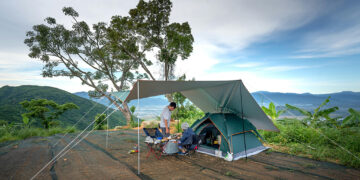
Choose lightweight and versatile gear like a tarp or a bivy sack that can protect you from the elements without adding unnecessary weight to your pack.
Water:
Always carry a portable water filter and know how to source water if these are not available. Water purification tablets or small UV light purifiers are excellent minimalist options.
Fire:
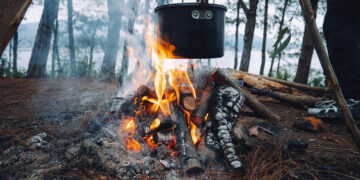
Learn multiple fire-starting methods. A flint striker or magnesium fire starter can be life-saving tools that take up minimal space.
Food:
Understand the basics of foraging and the safe preparation of wild plants and animals. A compact fishing kit can also be a minimal bulk addition to your survival toolkit.
2. Pack Lightly but Effectively
Carefully choose items that have more than one use. A knife, for instance, is indispensable for preparing food, making tools, and personal protection. Pack smart by selecting gear that serves multiple purposes, thereby reducing the weight and the volume of your pack.
3. Develop Your Skills
Before you embark on your minimalist outdoor adventure, invest time in learning key survival skills:
- Navigation: Learn how to use a compass and read a map.
- First Aid: Know the basics to manage common injuries.
- Weather Prediction: Understand natural signs to anticipate weather changes.
4. Maintain a Positive Mindset
Your attitude can be the difference between surviving and thriving. Be prepared to face challenges with a calm and positive mindset. Stress management is critical in survival situations where resources are deliberately limited.
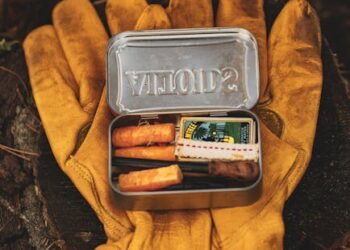
5. Create a Personalized Mini Survival Kit
Put together a kit that reflects your specific needs and skills. Remember, the ideal kit is small, lightweight, and packed only with essentials that you know how to use proficiently.
6. Embrace Natural Shelter Options
When possible, use your surroundings to your advantage. Natural shelters like caves or overhangs can provide protection without needing carried shelter options. However, always ensure they’re safe and structurally sound.
7. Practice Regularly
Skills fade if they’re not used. Regularly practice your minimalist outdoor living skills in a variety of settings: different climates, terrains, and seasons. Experimenting and practicing regularly will help refine your skills and problem-solving abilities under different circumstances.
In Summary
Mastering minimalist outdoor living survival is not just about getting through the outdoors with less; it’s about being smarter, lighter, and faster without sacrificing your safety. It challenges you to depend on your skills and understand the environment more deeply. These seven tips are your starting blocks for embracing a simpler, yet more profound, way of surviving in the wild. Why not challenge yourself to a minimalist survival adventure and see how capable you really are? Rediscover nature, and importantly, rediscover yourself.